Raising Givers: Chesed 24/7 Youth Programs
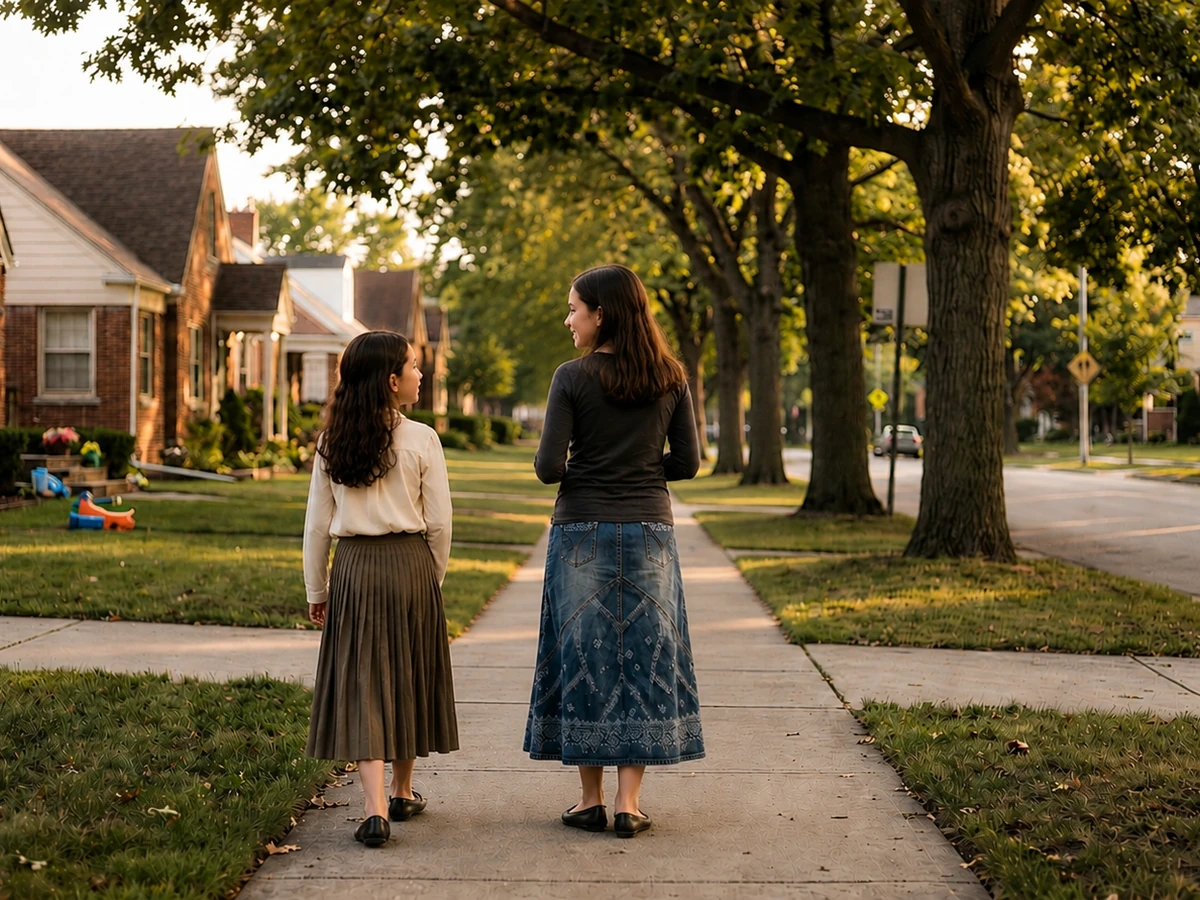
It's the first Sunday of the month, and a group of children in Monsey are walking a route their mother helped them plan. Each carries a small bag. They knock on a neighbor's door, ask if there is anything packaged that could be donated to a Chesed 24/7 hospital room, and note down whatever the neighbor gives them. A box of snacks. A pack of straws. A small container of wipes. Someone hands them a bag of paper cups.
By the end of the block, the bag is heavier. By the end of the route, it is full. Then they bring it to their captain, and their captain brings it to the Chesed 24/7 warehouse, where it becomes part of the pipeline that stocks hospital rooms across the region.
The Program That Started at a Kitchen Table
The Rosh Chodesh Collection is one of two youth chesed programs at Chesed 24/7 built specifically around young volunteers. It began last summer, when a mother in Monsey with a chronically ill daughter — who had spent many days in hospitals surrounded by Chesed 24/7 frozen dinners, snacks, and support — decided to organize her own children into a monthly neighborhood collection. She had a cousin who worked for Chesed 24/7 and had told her about the need. She realized she was already benefiting from other volunteers. She could contribute back.
She calls the whole thing "a nothing and an everything." A very small ask. A very large effect.
"It takes so little from them," she said of her children. "It teaches them. And they feel so good to be the ones giving."
She points out something else. Children who are handed everything can begin to believe that everything just appears. In bad weather, when the walk from door to door is uncomfortable, they realize that other people were once doing this for them without their knowing — that the frozen dinners and stocked shelves they have always taken for granted do not stock themselves.
When she made a simcha not long ago, she gave the children who help her a small chocolate arrangement in their honor. She wanted them to know she saw them. She said afterward they felt like a million dollars.
The Big Sister Program
The other youth program in the Chesed 24/7 network began close to a decade ago. Its founding director had taken a teen mentoring course and thought the model could work in her own community. She spoke to a few schools. Nothing came of it. Then Chesed 24/7 was looking for exactly the same thing, and the collaboration got the program off the ground.
The first little sisters in the program are now in high school themselves.
Every year, our director works with the high schools in Skver to introduce the program to eleventh- and twelfth-grade students, hand out applications, and run a small training with a therapist at the start of the year. Each volunteer commits to taking out an elementary-school girl for one hour a week: a walk, a craft, a snack, a conversation — whatever the pair enjoys.
There are close to a hundred pairs this year.
What "Pairing Up" Actually Involves
The hardest part of running the program, our director says, is the pairing. Every little sister and every big sister has to be a good fit for the other. Ages have to work. Neighborhoods have to work, because high school girls walk to pick up their little sisters, and no walk should feel like a commute. Home situations matter. Interests matter. Once the pair is set, everything else follows.
She checks in through the year. She calls parents to make sure the arrangement is running smoothly. She works with the high school chesed coordinators, who make the introductions at the start and step in whenever a pair needs guidance. In the middle of the winter, she runs an appreciation event for the big sisters. Her right hand handles the gift orders.
The Little Sisters Who Grew Up
The program has been running long enough now that the earliest little sisters have grown up. Some of them have become big sisters themselves. When a big sister gets engaged, her little sister often feels like she is part of the simcha. Some of these pairs have kept in touch for years.
Our director says she has a personal reason for caring about the program. She came from a divorced background. She grew up in a community that made sure she was looked after, and she is glad to give back in the same shape she once received.
"I'm a giving type," she said. "Always looking to help. And this is special for me."
Two Programs, One Idea
The Rosh Chodesh Collection reaches children when they are young enough to still be learning that everything in life takes work. The Big Sister Program reaches teenagers when they are old enough to notice the friends they never had, and to offer that friendship to a younger girl who needs it.
They are different programs. They involve different age groups. They serve different needs. But they are built around the same idea: that chesed is not something people learn once, from a book, at a specific age. It is something people learn by doing, over and over — from the first neighborhood collection to the last quiet Tuesday walk with a little sister.
Chesed 24/7's youth programs are how the community begins that education. The community, in turn, is how it continues.
[[cta]]





.svg)