Ribbon Cutting for New Chesed 24/7 Room at Good Samaritan Hospital
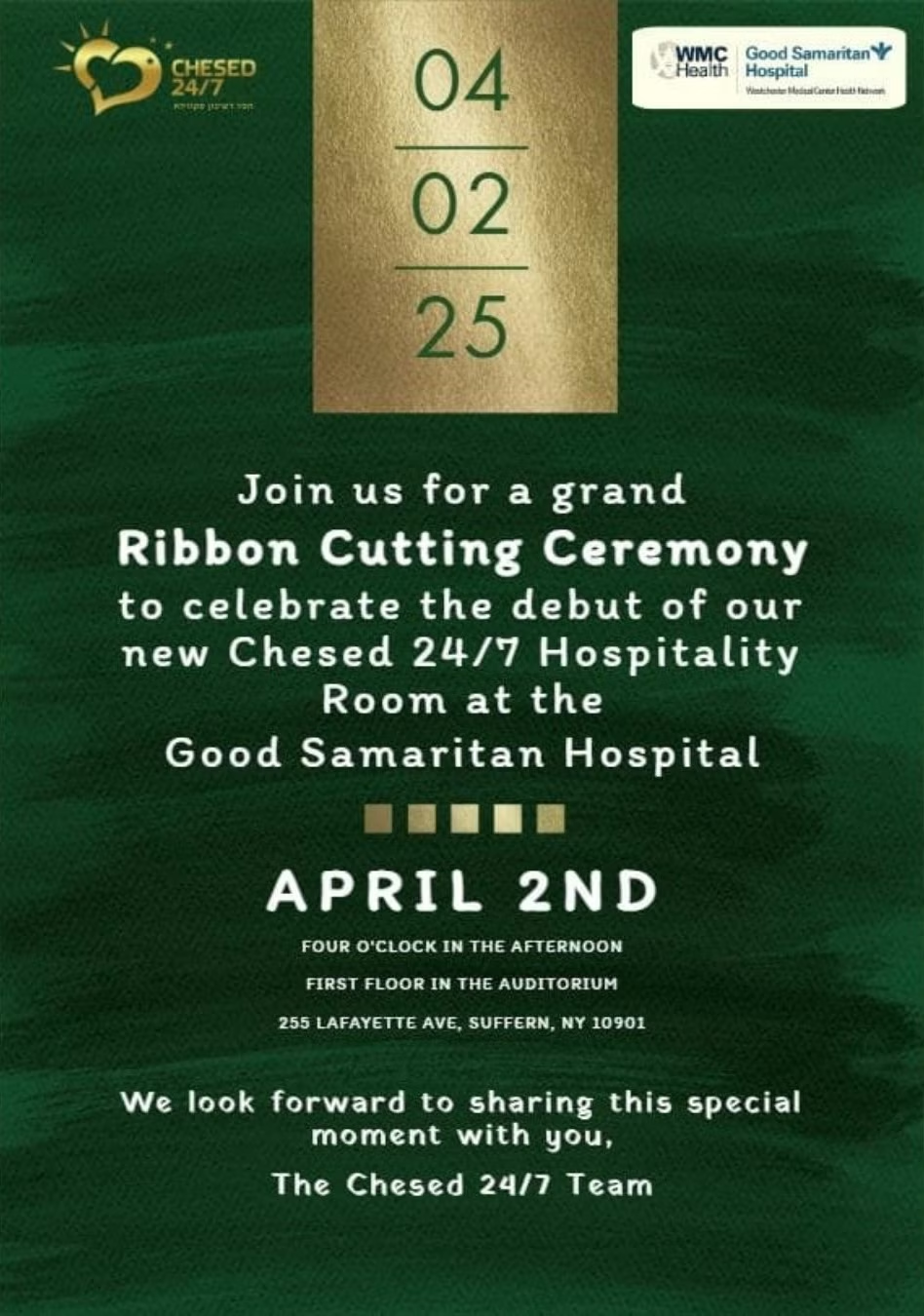
The new Chesed 24/7 room at Good Samaritan Hospital in Suffern brings expanded space and practical support to patients and families facing medical challenges in Rockland County. On a Wednesday afternoon in early April 2025, community leaders gathered for a ribbon-cutting ceremony that marked the opening of a larger hospitality space, ready to serve families during hospital stays. The upgraded room replaces a smaller space, offering kosher meals, hot drinks, Shabbos and Yom Tov essentials, and a quiet corner where families can rest and regroup. This new space joins our network of hospitality rooms across 32 hospitals in New York and New Jersey, each one designed to provide comfort when it's needed most.
Key Takeaways
- The new Chesed 24/7 room at Good Samaritan Hospital in Suffern provides and expanded space with kosher meals, Shabbos essentials, and more to families facing medical challenges.
- The expanded hospitality room replaces an earlier setup and is part of a network of 32 hospital rooms across New York and New Jersey that provide designated spaces for families to gather, prepare meals according to dietary requirements, and observe religious practices during patient care.
- Community leaders including Rockland County Executive Ed Day and Marie Yezzo, Senior VP & CEO of Bon Secours Charity Health System attended the ribbon-cutting ceremony, recognizing the hospital-community partnership.
- The Good Samaritan Chesed 24/7 room is sustained entirely by donor support and volunteers who prepare meals, pack supplies, and coordinate deliveries for hundreds of families weekly.
Good Samaritan Hospital – Suffern, Rockland County NY
Good Samaritan Hospital sits at 255 Lafayette Avenue in Suffern, a 286-bed facility within the WMCHealth system offering emergency care, surgery, and acute treatment. For families in Rockland County and the surrounding region, it's often the first stop during a medical crisis, and now, those families have a dedicated space to rest, eat, and breathe.
The new Chesed room occupies a spacious space on the first floor of the hospital, accessible 24 hours a day, seven days a week. Walk in and you'll find shelves stocked with kosher snacks, hot coffee, fresh soup, and prepared meals. During Shabbos and Yom Tov, the space is pre-stocked with candles, challah, grape juice, Shabbos food, and everything needed to observe the day with dignity, even when far from home.
Ribbon Cutting and Community Leadership
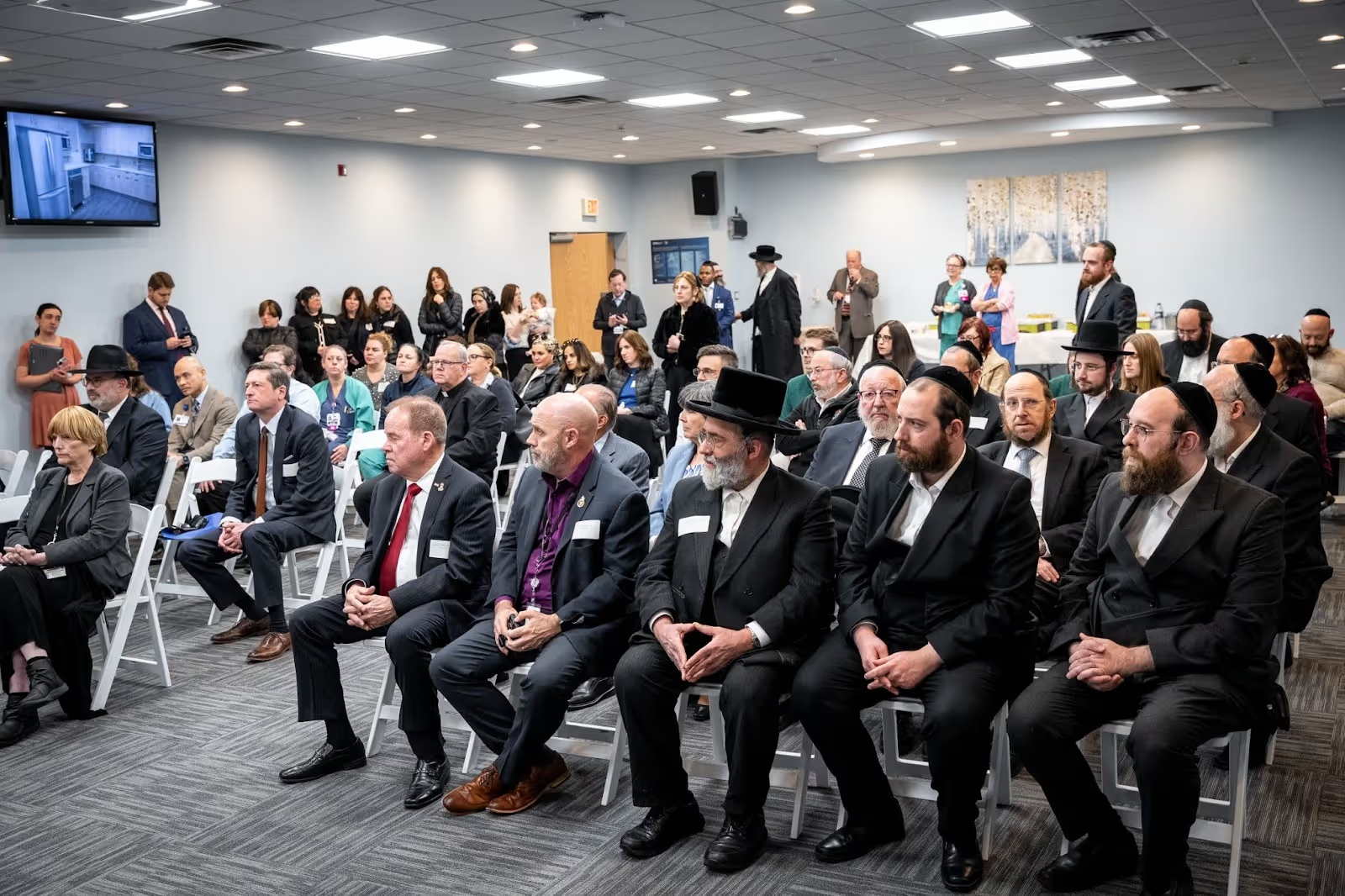
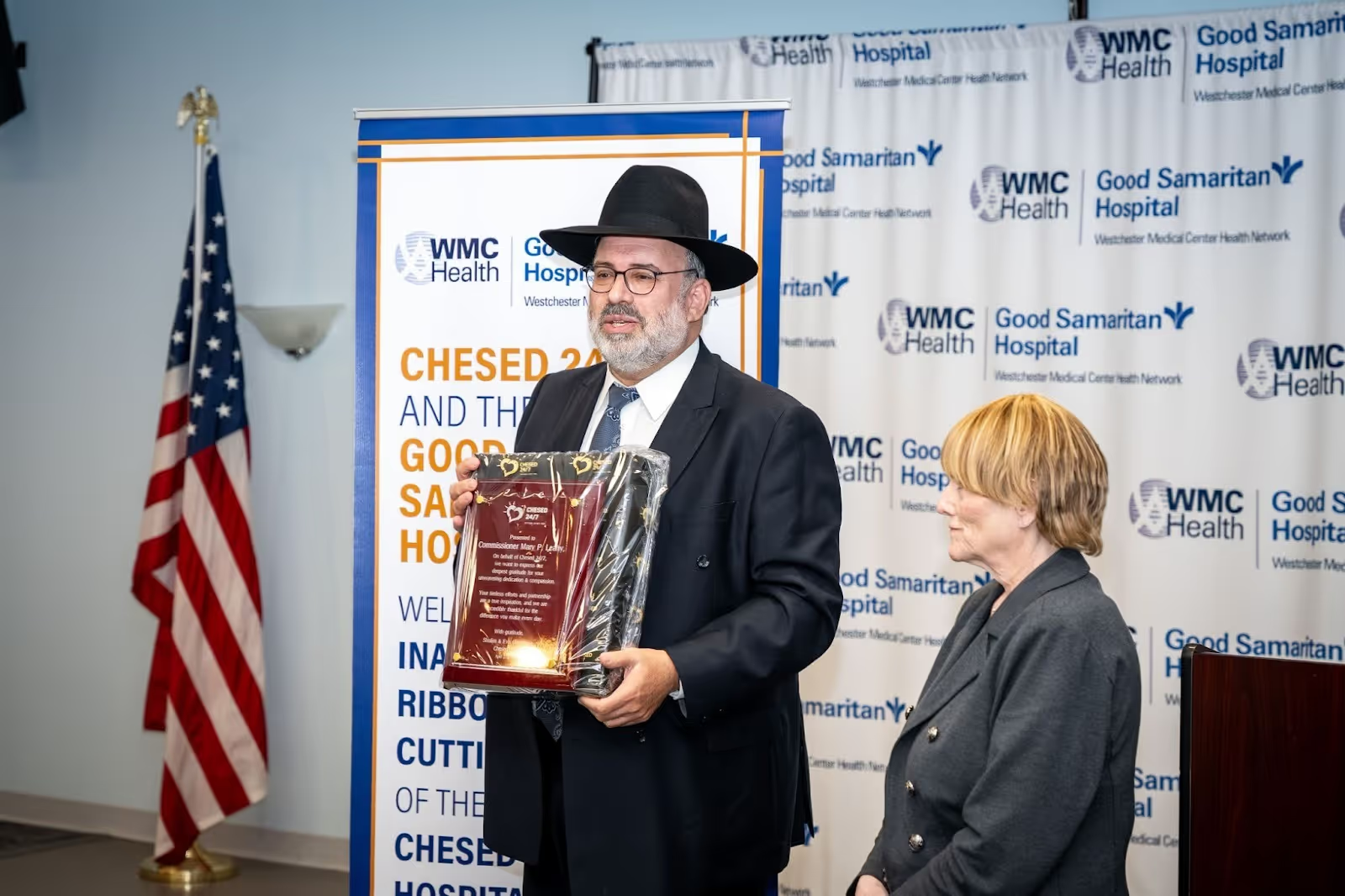
The ribbon-cutting ceremony brought together a cross-section of partners who helped make this room a reality. The initiative was the result of collaboration among community and healthcare leaders, including Ed Day, Rockland County Executive; Marie Yezzo, Senior Vice President and CEO of Bon Secours Charity Health System; Mona Montal, Chief of Staff and Director of Purchasing for the Town of Ramapo; and Sister Susan Everlyn, Senior Vice President of Mission.
Rockland County Executive Ed Day has consistently supported initiatives that expand access to culturally sensitive care, recognizing the role of hospital-community partnerships in meeting the needs of diverse populations. The room is a shared effort between a healthcare institution, local government, and the Jewish community to ensure that no family faces a hospital stay without support.
What's Inside the Room
Every detail is designed to reduce one burden at a time. Kosher food is restocked regularly, with prepared snacks and ready-to-go meals always available. Freshly cut vegetables and melon are kept in the refrigerator, alongside other essentials, and paper goods are fully stocked for convenience. Coffee can be made fresh at any time, and snacks sit within arm’s reach of someone who hasn’t had a moment to think about eating.
For Shabbos or Yom Tov, Chesed rooms are stocked with hospital-safe candles, grape juice, and complete Shabbos meals. Families don't have to plan, pack, or worry. Everything is waiting. That same setup extends to Jewish holidays, when the room is stocked with Pesach-ready items, matzah, and other essentials so that even during crisis, the calendar doesn't slip by unmarked.
Why This Room Matters in Rockland County
Good Samaritan Hospital serves a broad population, including growing numbers of Jewish families in Monsey, New Square, Airmont, and surrounding communities. A family room had previously been available, but as demand steadily increased, the space was no longer large enough to comfortably accommodate the volume of families relying on it each day.
The earlier setup at Good Samaritan was smaller, with fewer amenities. Families used it, but feedback made clear that more space would make a significant difference. The hospital agreed, and together we designed an upgraded room that meets current demand while leaving room to grow.
We hear from families that the room offers more than convenience. It offers normalcy. A mother staying overnight with her child can eat a real meal. A spouse commuting daily from Monsey can grab coffee before morning rounds. A family spending Shabbos at the hospital can light candles in peace. One father told us, "I didn't realize how much it mattered until I walked in and saw challah on the table. It felt like someone understood."
Beyond Rockland County, this room is part of a much larger Chesed 24/7 infrastructure spanning New York and New Jersey, with dedicated Chesed Rooms in more than 30 hospitals across the region. Each hospital partnership is thoughtfully developed based on the facility’s layout, available space, and patient volume. Some locations include full kitchens and large seating areas, while others offer compact but fully stocked spaces designed for quick access.
Who Uses This Chesed Room
The room serves anyone who needs it, patients discharged and waiting for rides, families staying through long procedures, parents of NICU babies spending weeks near their newborns, adult children caring for aging parents. If you're at Good Samaritan Hospital and you need a quiet place with kosher food and basic comforts, the room is open.
Over 500,000 visits happen across all our hospitality rooms each year. Good Samaritan's room is part of that Chesed 24/7 network, which includes spaces at Memorial Sloan Kettering, Hospital for Special Surgery, and Valley Hospital, each recently expanded or newly opened to meet rising need. The Valley Hospital ribbon cutting earlier this year drew similar community participation, reflecting the momentum behind these hospital collaborations.
What unites them all is a single mission: to ensure that Jewish patients and their families have reliable access to kosher food, religious items, and compassionate support wherever they are hospitalized. Whether in a major medical center in Manhattan, a community hospital in New Jersey, or a regional facility in the Hudson Valley, families know they are never alone — and that essential support is always within reach.
Shabbos Apartments near Good Samaritan Hospital
A Shabbos apartment is located immediately near the hospital for families needing overnight accommodations near the hospital. Families often benefit from staying nearby over Shabbos and using the Chesed room during the day, being able to physically be present and support their loved ones over Shabbos or Yom Tov.
How Families Access the Room
The room in Good Samaritan Hospital is located past the main lobby, down the hallway on the right, accessible 24/7 including Shabbos and Yom Tov. No reservation is needed. Families simply walk in. If you have questions about the room, what's stocked, how to access it during off-hours, or whether specific dietary needs can be accommodated, call our main line at 845-354-3233. Our staff can also coordinate additional support, such as meals delivered to patient rooms, transportation from Monsey or New Square, or connection to longer-term housing if a hospital stay extends beyond a few days.
How This Fits Into Chesed 24/7's Larger Mission
The Good Samaritan Chesed room is part of a continuum of care that starts the moment a family faces a medical crisis and continues as long as needed. We operate hospitality rooms at 32 hospitals across New York and New Jersey. We maintain fully furnished apartments in Manhattan for families requiring long-term stays. We coordinate daily transportation, hospital shuttles running between Monsey, New Square, and Manhattan, plus wheelchair-accessible vehicles for medical appointments.
We prepare and deliver kosher meals every day, with expanded support for Shabbos and Yom Tov. We distribute Shabbos in a Box packages weekly. We lend medical equipment, wheelchairs, crutches, walkers, through our warehouse. We stock medicine chests at 44 locations so families can access over-the-counter medication on Shabbos when pharmacies are closed. We coordinate over 1,400 volunteers who prep food, pack supplies, and provide logistical support.
Every service exists because a family once needed it and we built infrastructure to meet that need reliably, again and again. The Good Samaritan room is one more thread in that network.
Donor Support That Makes This Possible
Every meal in the Good Samaritan room, every Shabbos box, every cleaning and restocking, none of it happens without donor support. Donors fund the buildout of new rooms, sponsor apartments, underwrite transportation costs, and cover the ongoing expenses of feeding hundreds of families every week. This work doesn't generate revenue. It exists entirely because people choose to invest in it.
When you walk into the Chesed room and find fresh soup waiting, it's there because a donor made it possible. When a family observes Shabbos with dignity in a hospital lobby, it's because someone else's generosity ensured the candles, challah, and meals were ready. Donations don't just sustain services, they extend presence and comfort to families who would otherwise face crisis alone.
Those who wish to support this work, or to sponsor a specific room or service, can learn more by contacting Chesed 24/7 directly. Sponsorship options exist at multiple levels, each one enabling real, daily impact.
Volunteers Who Keep Good Sam Chesed Room Running
Behind every stocked shelf is a volunteer who packed the box, prepped the meal, or coordinated the delivery. Women-led food groups operate out of our warehouse kitchens, preparing hundreds of meals each week.
Volunteers don't replace professional staff, but they make scale possible. One organization can't cook, pack, deliver, and coordinate support for thousands of families without a team of volunteers behind it. If you're interested in volunteering, whether individually, as a family, or through a school group, call 845-354-3233. Opportunities vary by location and need, and we'll help you find a role that fits.
What Comes Next
The Good Samaritan room is open and serving families now. We'll continue to monitor usage, gather feedback, and adjust as needed. If demand grows, we'll work with the hospital to expand capacity. If families identify unmet needs, specific foods, different Shabbos items, additional seating, we'll adapt.
This kind of partnership, between a healthcare institution and a Jewish community organization, depends on trust, responsiveness, and shared commitment to patient care. We're grateful to Good Samaritan Hospital's leadership for making space, both physical and operational, for this room to exist. And we're grateful to every family who walks in and makes use of it, because that's what it's there for.
Frequently Asked Questions
Does Good Samaritan Hospital have a Chesed 24/7 room?
Yes. The new Chesed 24/7 hospitality room opened past the main lobby (down the hallway on the right) of Good Samaritan Hospital in Suffern, Rockland County, following a ribbon-cutting ceremony attended by hospital leadership and community partners. The room is accessible 24/7 and offers kosher food, beverages, Shabbos and Yom Tov essentials. It's accessible 24/7 at no cost.
Who attended the ribbon cutting for the new Chesed room?
The event brought together distinguished leaders including Ed Day, Rockland County Executive; Marie Yezzo, Senior Vice President and CEO of Bon Secours Charity Health System; Mona Montal, Chief of Staff and Director of Purchasing for the Town of Ramapo; and Sister Susan Everlyn, Senior Vice President of Mission.
What services are available in the Good Samaritan Chesed room?
The room provides kosher packaged meals, hot drinks, on-the-go snacks, Shabbos and Yom Tov packages (including candles, challah, grape juice, and complete meals), seating areas, and a quiet space for families to rest during hospital stays. Everything is provided at no cost.
When did the new Chesed room open?
The ribbon-cutting ceremony took place on April 2, 2025, marking the official opening of the expanded room. The space replaced an earlier, smaller setup and is now more expanded, serving families around the clock.
How does Chesed 24/7 partner with local hospitals?
Chesed 24/7 works directly with hospital administration to establish hospitality rooms, coordinate logistics, and ensure families have access to culturally sensitive support. Good Samaritan Hospital is one of 32 hospitals across New York and New Jersey where Chesed 24/7 maintains a presence, each tailored to the facility and patient population it serves.
For more information or to access the Good Samaritan Chesed room, visit our Good Samarian Hospital page or call Chesed 24/7 at 845-354-3233.
[[cta]]





.svg)