A Look Inside Chesed's Toy Room
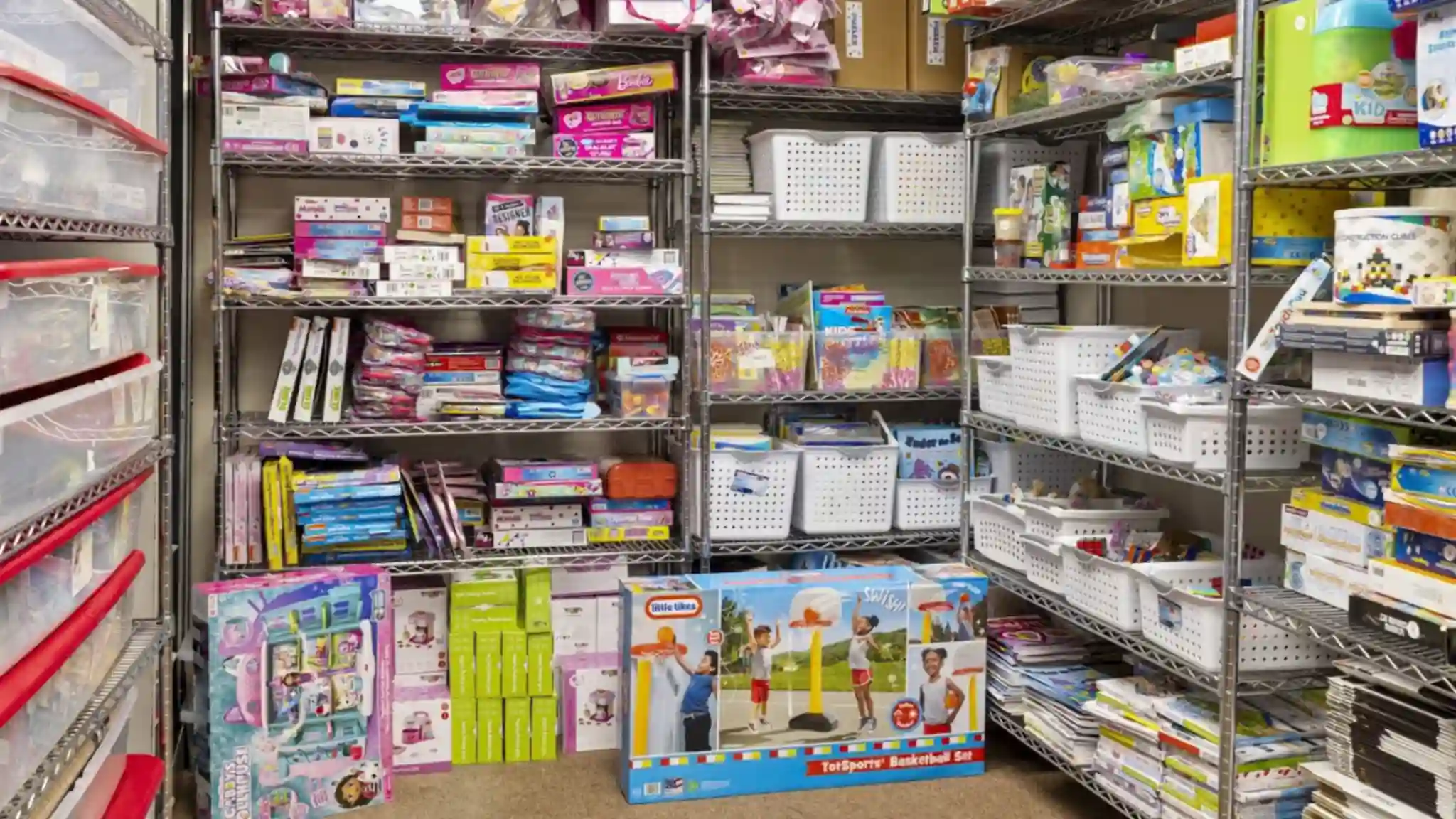
When families across our community collect toys for hospitalized children, they see the boxes piling up, but what happens after they're dropped off? Every year, Chesed 24/7 receives more than 2,000 donated toys, from plush teddy bears to board games, coloring sets to building blocks.
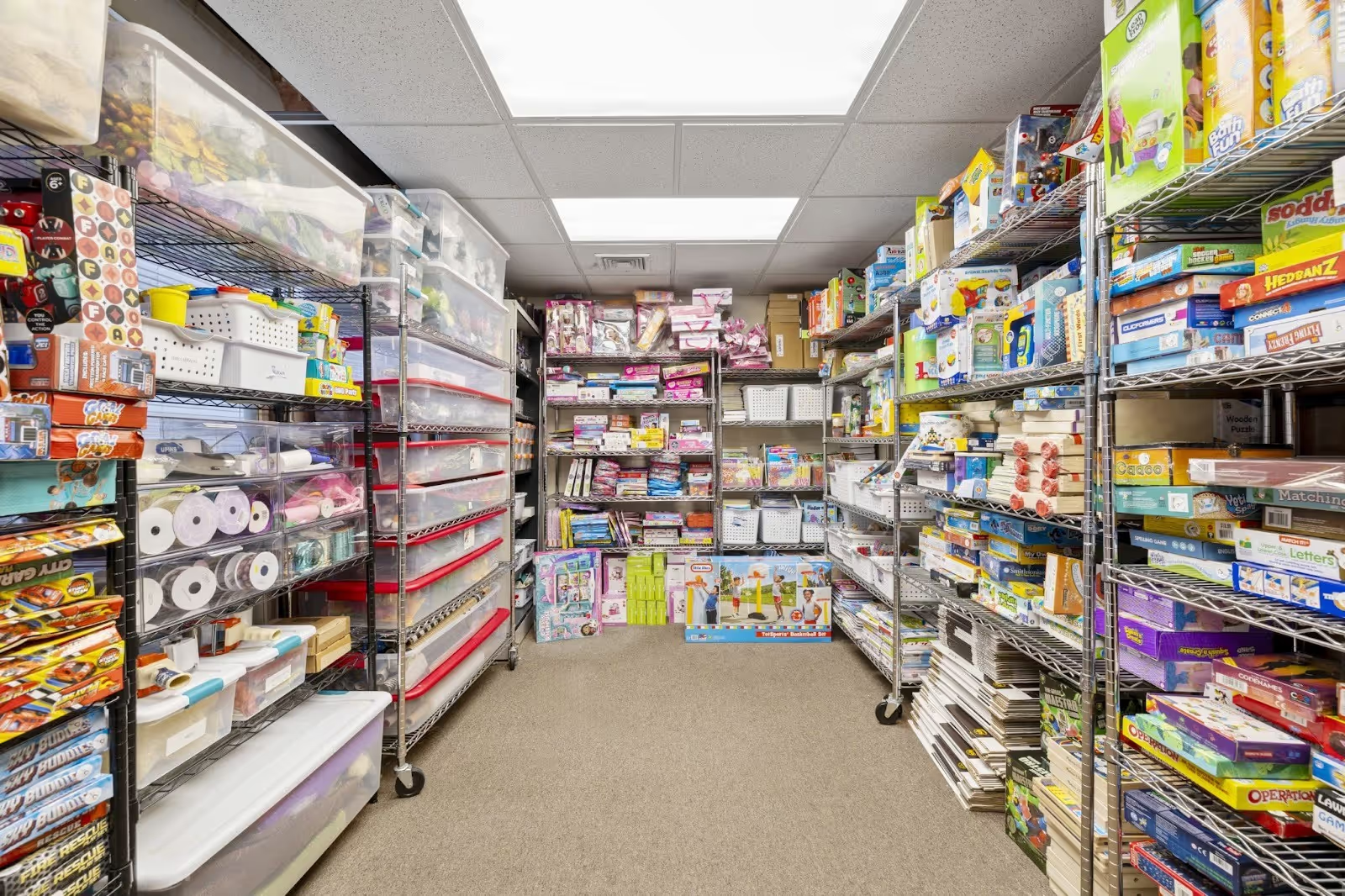
Those toys don't sit in storage. They move through a carefully-organized system: sorted by age and type, inspected for safety, and delivered exactly where they're needed, to pediatric units, Chesed rooms, and bedsides across hospitals serving our community.
Each toy represents a moment of distraction, comfort, or normalcy for a child facing treatment far from home.
Key Takeaways
- Chesed 24/7 receives thousands of donated toys annually. through toy drives for hospitalized children. Toys and games are sorted by age, inspected for safety, and distributed to pediatric units and hospital rooms.
- Toys serve as essential tools in medical settings, helping children cope with anxiety, cooperate with treatment, and maintain a sense of normalcy during hospitalization.
- Community members can support toy drives for hospitalized children by hosting collection drives, purchasing from wish lists, or donating funds to maintain year-round inventory.
- Donated toys reach children through multiple channels including bedside deliveries, Chesed Rooms for siblings, Smile 24/7 volunteer visits, and holiday care packages for families spending Yom Tov in hospitals.
What Happens to 2,000 Donated Toys? A Look Inside Chesed's Toy Room
The journey of donated toys begins when community members, schools, and shuls organize toy drives for hospitalized children. Boxes arrive at our warehouse filled with stuffed animals, puzzles, art supplies, and games. Before any toy reaches a child, it passes through our central toy room, a dedicated space where volunteers and staff manage the entire process.
Sorting and Organizing by Age and Need
Our first step is sorting. Toys are separated into distinct age groups: infant toys with high-contrast colors and soft textures: toddler-safe items without small parts: school-age games, books, and building sets: and teen-appropriate items like journals and craft kits. We sort by type as well: comfort items (stuffed animals, blankets), distraction tools (puzzles, handheld games), and creative supplies (crayons, stickers, activity books).
This sorting matters because a 3-year-old facing a blood draw needs something different than a 13-year-old recovering from surgery. We label bins clearly so volunteers can quickly grab what's needed when a request comes in, sometimes at 2 a.m. when a child can't sleep or a sibling is anxious in a waiting room.
Safety Checks and Quality Standards
Every toy is inspected before distribution. We check for:
- Intact packaging and clean condition: Used or damaged toys are not distributed.
- Age-appropriate safety: No small parts for children under three: no sharp edges: no broken pieces.
- Hospital compatibility: Some hospitals restrict latex balloons, certain plush materials, or items with strong scents due to infection control protocols.
Toys that don't meet these standards are either discarded or, when possible, repaired and donated elsewhere. Hospital toy donations require higher standards than general charity donations, and we honor that responsibility.
Where the Toys Go: Distribution Points
From the toy room, items are distributed across multiple channels:
- Chesed Rooms: Our hospitality rooms located in or near hospitals are regularly restocked with toys for children visiting or staying with hospitalized family members. Siblings often spend long hours in these rooms while parents are at bedsides, and having access to new toys keeps them occupied and calm.
- Direct bedside delivery: When a family requests support, our volunteers bring age-appropriate toys directly to hospital rooms. A stuffed animal placed beside a child during a procedure can provide emotional grounding.
- Smile 24/7 visits: Our volunteers who provide emotional support and cheer-up visits bring toys as part of their interactions, using them to engage children, spark conversation, or simply offer comfort.
- Bas Mitzvah program distributions: Girls participating in our Bas Mitzvah chesed initiative prepare toy packages, often including handmade items or personalized notes alongside donated toys.
- Holiday and Yom Tov packages: During Jewish holidays, toys are included in care packages for families spending Yom Tov in hospitals, giving children something special when they can't celebrate at home.
The Role of Community and School Toy Drives
Many of the toys we distribute each year come through organized Jewish toy drive efforts led by schools, shuls, and toy drives. These initiatives teach children the value of chesed while directly benefiting hospitalized peers. Schools coordinate collections during Chanukah, Purim, or year-round projects, and students often write cards or prepare packages themselves.
When community members ask, "How do Chesed toy drives work?" the answer is straightforward: donors collect new, unopened toys: coordinate a drop-off or pick-up with our team: and we handle publicity, logistics, sorting, and distribution. For schools running larger drives, we provide collection boxes, age guidelines, and communication materials to ensure donations meet hospital standards.
Why Toys Matter in Medical Settings
Toys are not luxuries in hospitals, they're tools. Research shows that children receiving toys during hospitalization experience measurably lower anxiety, cooperate better with medical staff, and process fear more effectively. A 4-year-old clutching a soft bear during an IV insertion has something familiar to focus on. A 9-year-old working on a puzzle in a Chesed Room has a way to calm racing thoughts while waiting for updates.
For siblings, toys provide normalcy. A 6-year-old whose baby brother is in the NICU doesn't understand the medical details, but coloring books and building blocks in our hospitality rooms give him something to do while his parents are occupied. Toys help children feel like children, even in the middle of a crisis.
Volunteer Coordination and Logistics
Our toy room operations rely on volunteer coordination. Volunteers assist with sorting incoming donations, restocking Chesed Rooms weekly, packaging items for specific requests, and accompanying deliveries during Smile 24/7 visits.
This work happens year-round, not just during holiday seasons. Hospitals don't pause for summer or slow periods, neither do we. Our toy room maintains steady inventory levels so we're prepared when a need arises.
What We Don't Accept
To maintain safety and quality, we cannot distribute:
- Used or pre-owned toys (even if clean)
- Toys with missing pieces or damaged packaging
- Items with small parts intended for children under three
- Latex balloons or items restricted by hospital infection control policies
- Toys with strong scents, glitter, or materials that shed particles
These guidelines protect medically vulnerable children and ensure compliance with hospital regulations. Donors who understand these standards help us operate more efficiently.
The Donor Connection: How Toys Are Funded
While many toys come through community drives, hospital toy donations are also purchased using funds contributed by donors who designate support for pediatric programs. When individuals sponsor a "Smile 24/7" visit or contribute to our Entertainment fund, those dollars directly purchase toys, games, and activity supplies tailored to current needs.
Donors often ask how their contributions translate into impact. One answer: a $250 donation stocks our toy room with approximately 20 age-appropriate toys, enough to support a round of bedside deliveries and Chesed Room restocking. These services are made possible because community members recognize that emotional support is as essential as meals and housing during medical crises.
How the Toy Room Fits Into Chesed 24/7's Broader Mission
The toy room is one piece of a larger support system. Families accessing our Chesed Rooms or staying in Chesed Apartments often need multiple types of support: kosher meals, transportation, medical supplies, and emotional care. A child receiving a toy during a Smile 24/7 visit might also benefit from Shabbos in a Box deliveries to his family or rides via our hospital shuttle service.
We don't separate pediatric needs from family needs, we address the whole picture. Toys ease one burden; housing, food, and logistics ease others. Together, they reduce the overwhelming weight of medical crisis.
How You Can Support Hospital Toy Donations
If you're considering organizing a toy drive or contributing to this work, here are clear ways to help:
Host a community toy drive: Coordinate with your school, shul, or youth group. We provide collection guidelines and can arrange pickup for bulk donations. Contact us in advance to confirm current needs and timing.
Purchase from specific wish lists: During peak seasons, we share lists of high-need items (infant toys, teen-appropriate games, sensory tools). Buying from these lists ensures your donation fills a real gap.
Sponsor the toy room fund: Monetary contributions allow us to purchase exactly what's needed and maintain year-round inventory. Those who wish to support this work can designate donations toward Entertainment or Smile 24/7 programs.
Participate in Bas Mitzvah projects: Girls preparing for their Bas Mitzvah can coordinate toy preparation and delivery as part of a chesed-focused celebration. We guide families through the process and ensure projects are meaningful and appropriate.
Spread awareness: Many families in crisis don't know these resources exist. Sharing information about Chesed 24/7's services, including toy distribution, helps those who need support find it quickly.
For more information or to coordinate a drive, call 845-354-3233 or visit chesed247.org. Our team is available 24/7 to answer questions and help community involvement.
Frequently Asked Questions
What types of toys are most needed?
We especially need infant sensory toys, toddler-safe plush animals, school-age puzzles and building sets, and teen-appropriate items such as journals and craft kits. All donations must be new, unopened, and in original packaging to meet hospital safety standards.
Can I donate gently used toys?
No. For safety and infection control, hospitals require only new, unopened toys. Used or pre-owned toys cannot be distributed to medically vulnerable children, even if they appear clean or in good condition.
Do you accept toy donations year-round?
Yes. While toy drives often peak around Chanukah and Purim, hospitalized children need support every month. Chesed 24/7 accepts and distributes toys throughout the year to ensure a steady supply for children in medical care.
How do I organize a toy drive at my school or community?
Call Chesed 24/7 at 845-354-3233 to coordinate. We provide age guidelines, collection materials, donation lists, and pickup scheduling. Drives work best when planned 4–6 weeks in advance for smooth logistics.
Where do the toys go?
Toys are distributed primarily to hospitals and Chesed facilities in New York and New Jersey, with some support extending to other regions where Chesed 24/7 operates.
What happens to toys after donation?
Every toy is sorted by age and type, inspected for safety, and distributed to pediatric units, Chesed Rooms, and bedsides. This ensures each toy reaches the right child at the right time.
How do toys help hospitalized children?
Toys provide emotional security and distraction during stressful medical procedures. For example, a child holding a stuffed animal during an IV insertion experiences reduced anxiety, leading to better cooperation and a more positive hospital experience.
[[cta]]






.svg)